The Art of Shaping Steel: Mastering Modern Metal Fabrication
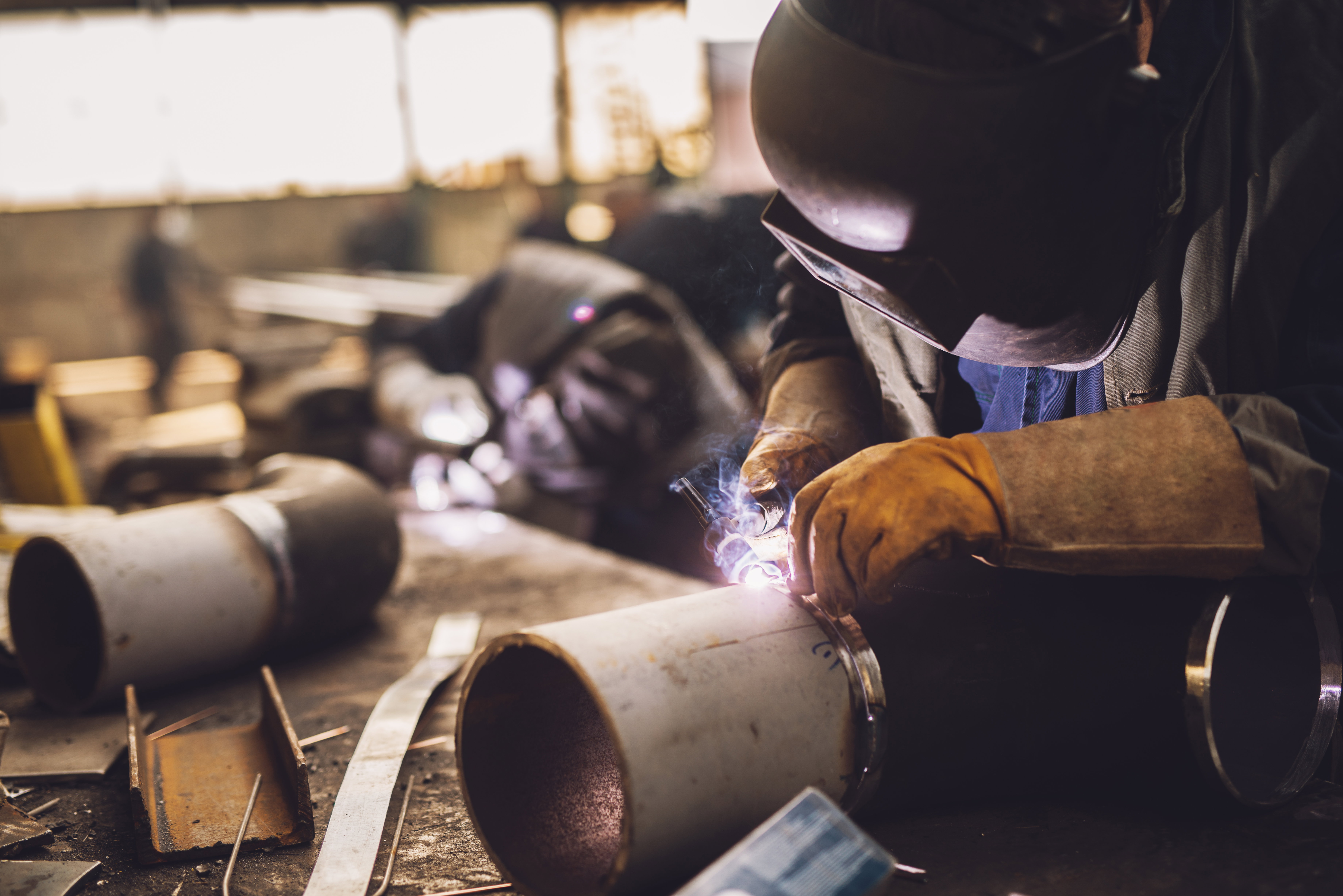
Metal fabrication drives the creation of everything from towering skyscrapers to precision medical devices. When you understand how to cut, bend, and join metal, you unlock the ability to turn raw sheets into functional works of art. This guide walks you through the essential stages, tools, and techniques that define metal fabrication today, helping you apply them across a wide range of projects.
A Journey Through Time Early artisans forged tools and ornaments by heating and hammering iron, laying the groundwork for today’s sophisticated processes. The Industrial Revolution introduced steam‑powered presses and early welding, accelerating production speed. Modern factories now combine computer‑aided design with high‑speed lasers, letting you produce parts that once required weeks of hand labor in a matter of hours.
Design and Planning Your first step involves sketching a detailed blueprint that captures dimensions, material thickness, and required tolerances. Use computer‑aided design software to visualize the piece and run simulations that reveal potential stress points. By finalizing the plan before you touch the metal, you reduce waste and keep costs under control.
Cutting Techniques You choose the cutting method that matches the material and geometry. Laser cutting delivers clean edges for intricate patterns, while plasma cutting excels on thicker plates. Water‑jet cutting removes material without heat, preserving metallurgical properties. Each technique lets you achieve precise cuts that fit together without excessive grinding.
Forming and Bending After cutting, you shape the metal with press brakes, rollers, or hand tools. Press brakes let you create sharp angles by applying controlled force, while rollers produce smooth curves for automotive panels. When you master these tools, you can transform flat sheets into complex three‑dimensional structures.
Welding and Joining You join components using a variety of welding processes. Shielded metal arc welding (SMAW) offers portability for field repairs, while gas metal arc welding (GMAW) provides speed for production lines. For thin materials, you might select gas tungsten arc welding (GTAW) to achieve high‑quality, low‑distortion seams. Choose the method that matches metal type, thickness, and required strength.
Finishing and Protection You apply finishes that enhance appearance and guard against corrosion. Powder coating creates a durable, uniform layer that resists scratches, while painting offers color flexibility for branding. If you need extra wear resistance, consider hot‑dip galvanizing or electroless nickel plating. Proper finishing extends the life of every fabricated component.
Industry Applications You encounter metal fabrication in construction, automotive, aerospace, and renewable energy sectors. Structural steel frames rely on welded joints to support skyscrapers, while lightweight aluminum brackets keep aircraft efficient. Solar panel racks benefit from precision‑cut steel that resists harsh weather. By adapting techniques to each field, you meet diverse performance demands.
Quality Assurance You implement inspection checkpoints at every stage. Use digital calipers to verify dimensions, ultrasonic testing to detect hidden cracks, and visual checks to ensure weld integrity. By catching defects early, you maintain high standards and avoid costly rework.
Future Trends You watch emerging technologies reshape metal fabrication. Additive manufacturing blends 3D printing with traditional forming, allowing you to add complex features directly onto metal parts. Collaborative robots (cobots) handle repetitive tasks, freeing skilled workers for problem‑solving. As you adopt these innovations, you stay competitive in a rapidly evolving market.
Skill Development You build expertise through hands‑on training and continuous learning. Mastering CNC programming, interpreting engineering drawings, and understanding metallurgy equips you to tackle challenging projects. By investing in your skill set, you become a versatile fabricator capable of delivering high‑quality solutions on time.
In summary, metal fabrication empowers you to convert raw metal into functional, durable, and aesthetically pleasing products. By following a structured workflow—from design and cutting to welding, finishing, and inspection—you achieve reliable results across countless industries. Embrace the tools, techniques, and emerging technologies outlined here, and you will shape the future of manufacturing with confidence. Check out this related post that will enlighten you more on this link: https://en.wikipedia.org/wiki/Metal_fabrication.
